NWC: close the demo and go back to Newcastle Web Co

Demo by Newcastle Web Co. This is a demo design and not a real business. Every design is one of one: when a business picks it, no one else gets it.

Demo, not a real business.

Easy Read (02) 5550 6138

Call (02) 5550 6138

Increased Social and Community Participation

In your plan: Increased social and community participation Capacity building supports

Increased social and community participation is capacity building support: time spent learning the skills to find activities, meet people and get around on your own. We run small groups and one-to-one sessions from Wallsend, for people across Newcastle and Lake Macquarie.

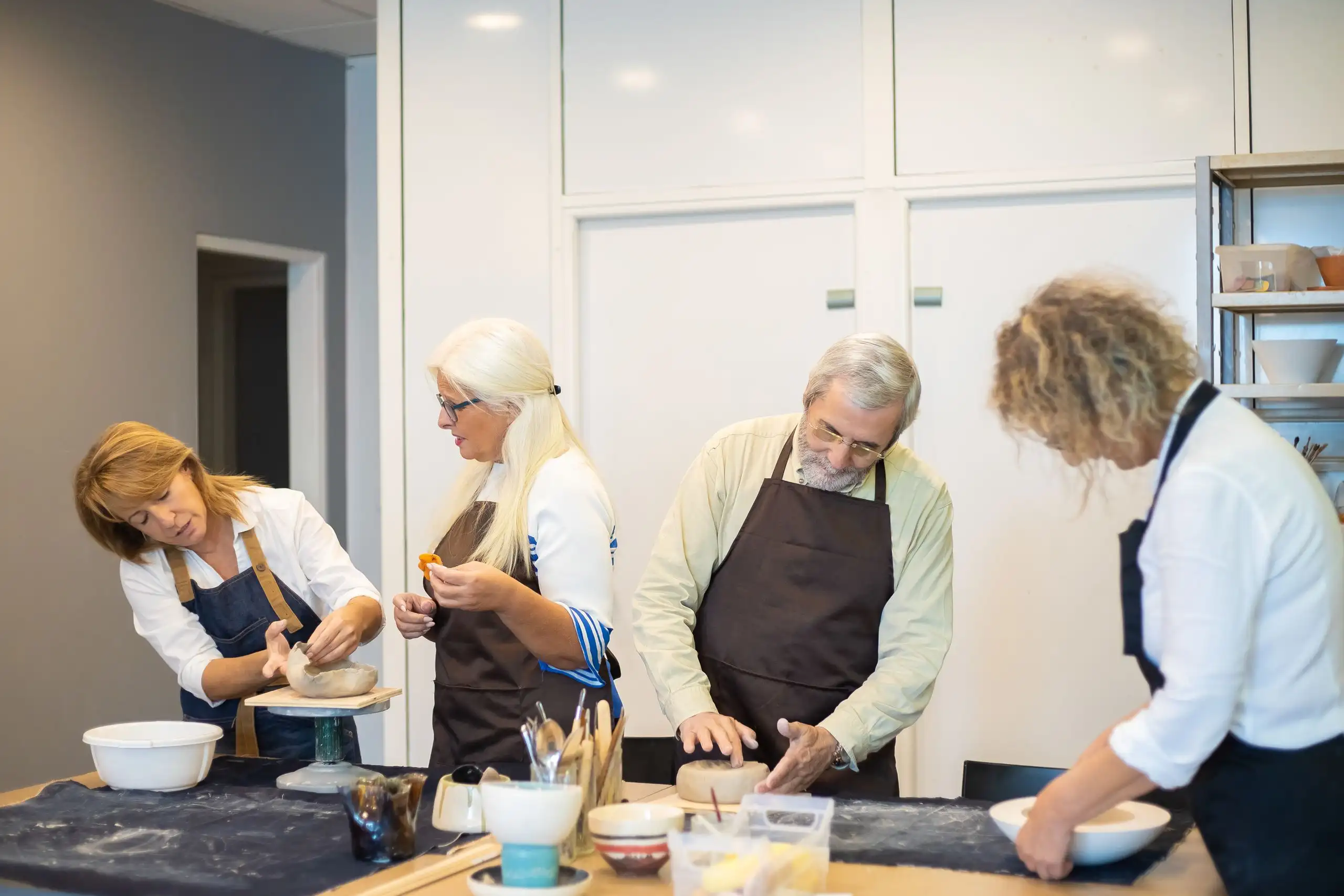
Adults of different ages shaping clay together at a pottery workshop
  • Registered NDIS provider Reg. 4050000000 (demo)

Skills and groups, at a glance

Two ways to read this
  • This support helps you learn to do more on your own.
  • You might learn to catch the bus by yourself.
  • You might join a small group to cook or walk.
  • You might find a club and practise joining it.
  • You choose what you want to work on.
  • This money in your plan can only be used for this.
  • We can work with you one to one, or in a group.

Want more? The full page is below. Or ring us and ask anything.

Plan category
Increased social and community participation
Budget
Capacity building supports (stated: stays in this category)
Funding types
NDIA-managed, plan-managed and self-managed. We are a registered provider.
Includes
  • Finding clubs, groups and activities that match your interests
  • Practising the steps to join one, from the first phone call
  • Learning a bus or light rail trip, step by step
  • Using an Opal card and reading timetables
  • Small group programs: cooking, walking, bus skills
  • One-to-one sessions on social confidence
  • Planning how to keep going once a skill is learned
Suits
Adults 18+ with capacity building funding in this category who want to do more in the community with less support over time.
Shifts
Groups run weekly, 2 to 3 hours, with a small group. One-to-one sessions of an hour or longer, any day of the week, 6am to 10pm.
Areas
Newcastle, Lake Macquarie. Suburb list
Reply
We reply within 2 business days. First shift usually 2 to 3 weeks after you first get in touch.
To refer, send
Name, suburb, the skill or activity the person wants to work on, how the support is funded, and whether a group or one-to-one suits them better. Goals from the plan can follow later. Referral form
Capacity by area, checked 24 Oct 2026
AreaWeekdaysWeekends
NewcastleOpenShort waitlist, about 3 weeks
Lake MacquarieOpenShort waitlist, about 3 weeks

Increased Social and Community Participation in full

Some people want company when they go out. Others want to learn to go out without it, or with less of it. Increased social and community participation is the plan category for the second kind of support: building the skills and confidence to find activities, meet people and get around more on your own. We run it from Wallsend, as small groups and one-to-one sessions.

How NDIS capacity building differs from core supports

This is the part plans often make confusing.

Core support pays for a support worker to help you take part. That is our community participation support: someone beside you at the shops, the beach or your club.

Capacity building pays for time spent learning to do more yourself. The NDIS describes this category as help to find and join activities, build social skills, make friends and build your social network.

The funding works differently too. Core funding is flexible. Capacity building funding is "stated", so money in this category can only be spent on this category. Many people have both in their plan and use them side by side.

NDIS social groups we run

Our groups are small, weekly and practical. Each one has a support worker running it and a plan for what the group is practising that term. These are the three we run now.

Tuesday cooking group, Wallsend

Four to six people cook a simple lunch together, from the shopping list to the washing up. Along the way the group practises the social side: deciding as a group, sharing jobs, and sitting down to eat together. People take the recipes home.

Saturday walking group, Fernleigh Track

The Fernleigh Track is a sealed, mostly flat path on the old railway line between Adamstown and Belmont. The group walks a short section each Saturday morning and finishes with a coffee. It is as much about the conversation as the walk.

Bus skills program

This one runs one-to-one or in pairs. You pick a trip you want to make, such as Wallsend to Charlestown Square, or the bus to Newcastle Interchange and the light rail to the beach. We practise it in steps: planning the trip, tapping on with an Opal card, knowing your stop, and what to do if something goes wrong.

NDIS life skills, one to one

Not everything fits a group. One-to-one sessions can cover:

  • finding a club, team or volunteer role that suits you
  • practising the first phone call, email or visit
  • going along to a first session together, then stepping back
  • planning how you will keep going once the support ends

We say what we will practise and how. We don't promise where it will lead, because that part is yours.

Who you work with

Your sessions are run by the same two or three support workers where we can manage it. The person who helps you plan a bus trip is the person who rides it with you the first time. If someone isn't the right fit, say so and we will change it, no explanation required. An NDIS Worker Screening Check, first aid and CPR are current for every worker on the team.

Using this category in your plan

Check your plan for funding under "Increased social and community participation" in your capacity building supports. It doesn't matter whether the NDIA, a plan manager or you manage the funding. If your plan has core funding only, our core support may suit you better, and we will say so.

If you are reading this for someone who prefers simple words, our Easy Read page explains who we are and how to start.

What skill building and groups cost

Our prices follow the NDIS Pricing Schedule 2026-27 and never go above the price limits. You get a written quote and a service agreement before anything starts.

Joining a group or starting one-to-one

We reply within 2 business days and meet you, usually within a week, to talk about what you want to work on. You can come and watch a group before deciding. First sessions usually begin two to three weeks after that first call or email. Our capacity line shows what's open right now.

Participants and families can see the first steps with Glenrock. Support coordinators can refer a participant online.

The group is small and nobody is pushed. He went to watch the first week and joined in the second, on his own terms.

Family member, Warners Bay

Sample review. Glenrock Support is a fictional business.

Questions about Skills and groups

Can't see your question? Ring and ask a person. A team leader answers, Monday to Friday.

(02) 5550 6138

What is increased social and community participation in the NDIS?

It is a capacity building support category. The NDIS says it is for supports that help you find and join activities that interest you and connect you with other people in your area. It can also be used for training to build social skills, make new friends, build a social network and increase independence.

What is the difference between core supports and capacity building in the NDIS?

Core supports help you with everyday activities and getting involved in your community, and the funding is flexible across its categories. Capacity building supports are for building your skills to do things for yourself. Capacity building funding is stated, so it can only be used for the supports described in each category.

Can I move capacity building funding into core supports?

No. Capacity building funding is a stated support, which means it can't be moved between support categories. Money in Increased social and community participation can only be used for that category. If your needs have changed, talk to your NDIS contact or support coordinator about a plan review.

Do I have to join a group to use this support?

No. Groups suit some people and not others. We also run one-to-one sessions, and some people start one-to-one and join a group later, or never. You choose.

How big are your NDIS social groups?

We keep groups small, usually four to six people, with support workers in the group. Small numbers mean everyone gets a turn and nobody gets lost in a crowd. If a group is full, we tell you when the next place is likely to open.

Can a support worker teach me to catch the bus on my own?

Yes. Our bus skills program practises one real trip at a time, with the support worker beside you at first and then a little further back. You learn the stops, the Opal card, what to do if the bus is late, and who to call. How long it takes is different for everyone, and you decide when to try it alone.

Talk to a person about support

Ring and a team leader answers, Monday to Friday. Or start with a short form, and we reply within 2 business days.